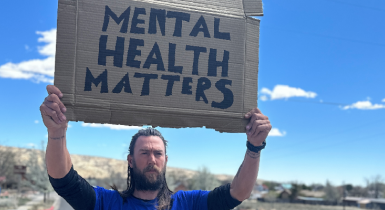





BraveMenTalk x Barebarics: How Barefoot Shoes Can Support Mental Wellbeing
The fast pace of modern life brings constant pressure, stress and tension. We lose touch with ourselves, push problems aside and keep moving without stopping to process what we carry inside. And just as quickly as we live, we search for fast ways to regain balance and inner calm. Walking in barefoot shoes is one of the simplest ways to feel an immediate shift. Both physically and mentally. Here is why it works.

Article overview
How does barefoot walking affect the mind?
1. Activates nerve endings and body awareness
Barefoot walking stimulates more than 200,000 nerve endings in the feet, sending signals directly to the brain. Contact with the ground and its varied textures improves proprioception, the body’s sense of movement and position, coordination and stability. This sensory input positively affects overall mental wellbeing.
2. Nature naturally restores mind body balance
Walking on grass, sand or forest ground provides rich sensory stimulation. You feel temperature, texture and hear natural sounds. The brain shifts focus, stress levels decrease and mood improves. You become present in the moment, here and now.
What does science say about barefoot walking and mental health?
Barefoot walking has been repeatedly studied and the findings are encouraging. Research shows that groups who walked barefoot experienced improved concentration and reduced psychological stress. Adults who combined barefoot walking with time spent in nature reported better mood and a stronger sense of calm.
How did the #BraveMenTalk campaign help open the topic of men’s mental health?
In 2024, together with Anton Nootenboom, we launched the #BraveMenTalk campaign to support men’s mental health. Anton, a military veteran, walked more than 7,800 kilometres from Los Angeles to New York completely barefoot to raise awareness of men’s mental wellbeing. Why does it matter? Because every minute, one man somewhere in the world dies by suicide.
Men are often taught not to talk about their problems or emotions. This silence is one of the most dangerous factors. Anton experienced this firsthand after returning from Afghanistan. He discovered that it often takes very little to feel better. Honest conversations and even short walks in nature help clear the mind.
Campaign impact
- The campaign opened a vital conversation about men’s mental health, helped save lives and showed that one meaningful step can create real change.
- It encouraged discussion around stigma and the courage to speak openly, inspiring thousands of men to break the silence.
- Our limited edition barefoot sneakers with the campaign logo helped fund services that support men in crisis.
How to start barefoot safely
It is all about small steps. You do not need to walk across America barefoot. Start with short walks in barefoot shoes. The mental and physical benefits are very similar.
Who barefoot shoes are suitable for and who should be cautious
Barefoot shoes are ideal for
- People looking for a more natural walking style, better body awareness and stability.
- Those who want to combine movement with mindfulness and time in nature.
Barefoot shoes should be worn with caution by
- People with orthopaedic issues, sensitive feet or serious medical conditions.
- Complete beginners who should progress slowly and mindfully.
Barefoot shoes are not just a trend. They can support mental wellbeing, posture, stability and a deeper connection with nature. The #BraveMenTalk campaign showed that one conscious step can save lives and spark meaningful change. If you want to feel better today, all it takes is to take that step. Physically and symbolically.
Find your size with our size guide.
Explore the current barefoot sneakers collection.
Contact us if you need advice.
Sources
1. Chevalier, G. & Sinatra, S. T. (2023). Who Benefits from Barefooting? The Key Role of Baseline Wellbeing in Psychophysical Restoration. International Journal of Environmental Research and Public Health, 22(12), 1779.
2. Black, M. et al. (2024). Effects of Barefoot Walking on Cognitive Ability in Adolescents: An EEG Study. Journal of Cognitive Neuroscience, (59).
3. Shin, S. et al. (2024). Effects of Barefoot Walking in Urban Forests on CRP, IFNγ, and Serotonin Levels. PMC Journal.
Is barefoot walking suitable for everyone?
+ -Not always. If you have orthopaedic conditions or sensitive feet, start carefully or consult a medical professional.
How often should you wear barefoot shoes to support mental wellbeing?
+ -Several times a week. Start with short walks and gradually increase both walking time and daily wear.
Can barefoot walking help with stress or anxiety?
+ -Yes. It supports nervous system regulation, improves mood and helps reduce tension.